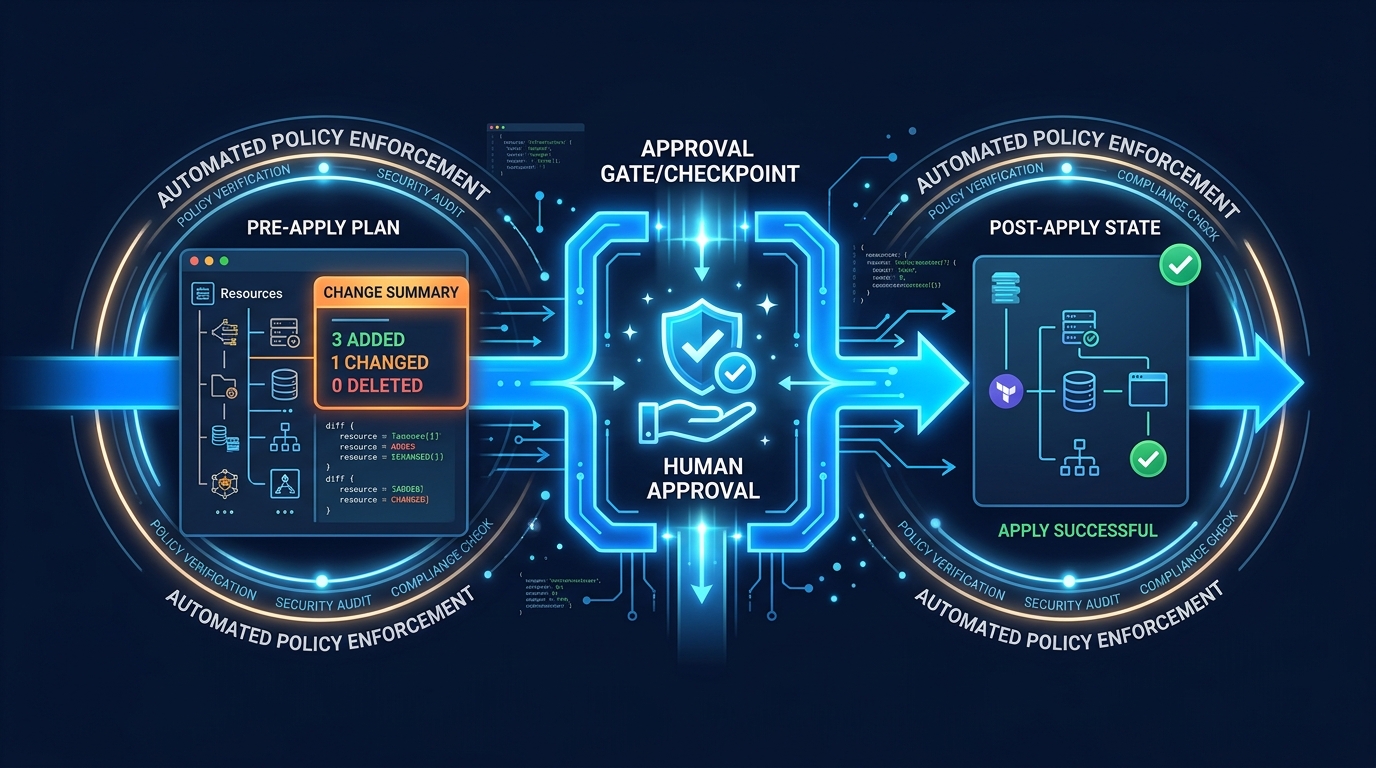
How to Build a Safe Terraform Apply Workflow on AWS: Approval Gates, Plan Review, and Rollback
One bad `terraform apply` still deletes databases. July 2026: plan→review→apply, no -auto-approve, OIDC CI, Atlantis/HCP Terraform gates.
Tagged

One bad `terraform apply` still deletes databases. July 2026: plan→review→apply, no -auto-approve, OIDC CI, Atlantis/HCP Terraform gates.

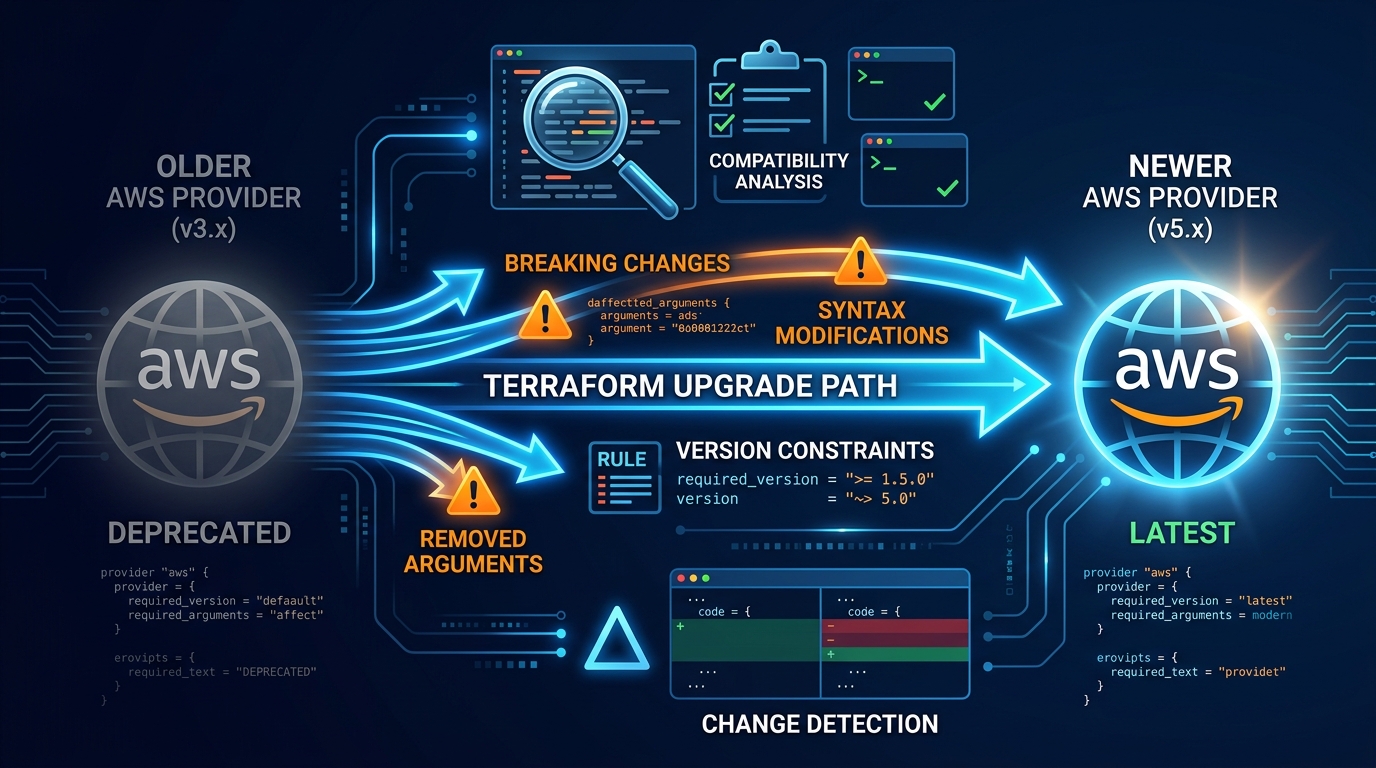
AWS provider 6.0 GA June 2025. July 2026: upgrade 4→5→6 one major at a time, changelog-first, staging plan, lockfile commit.

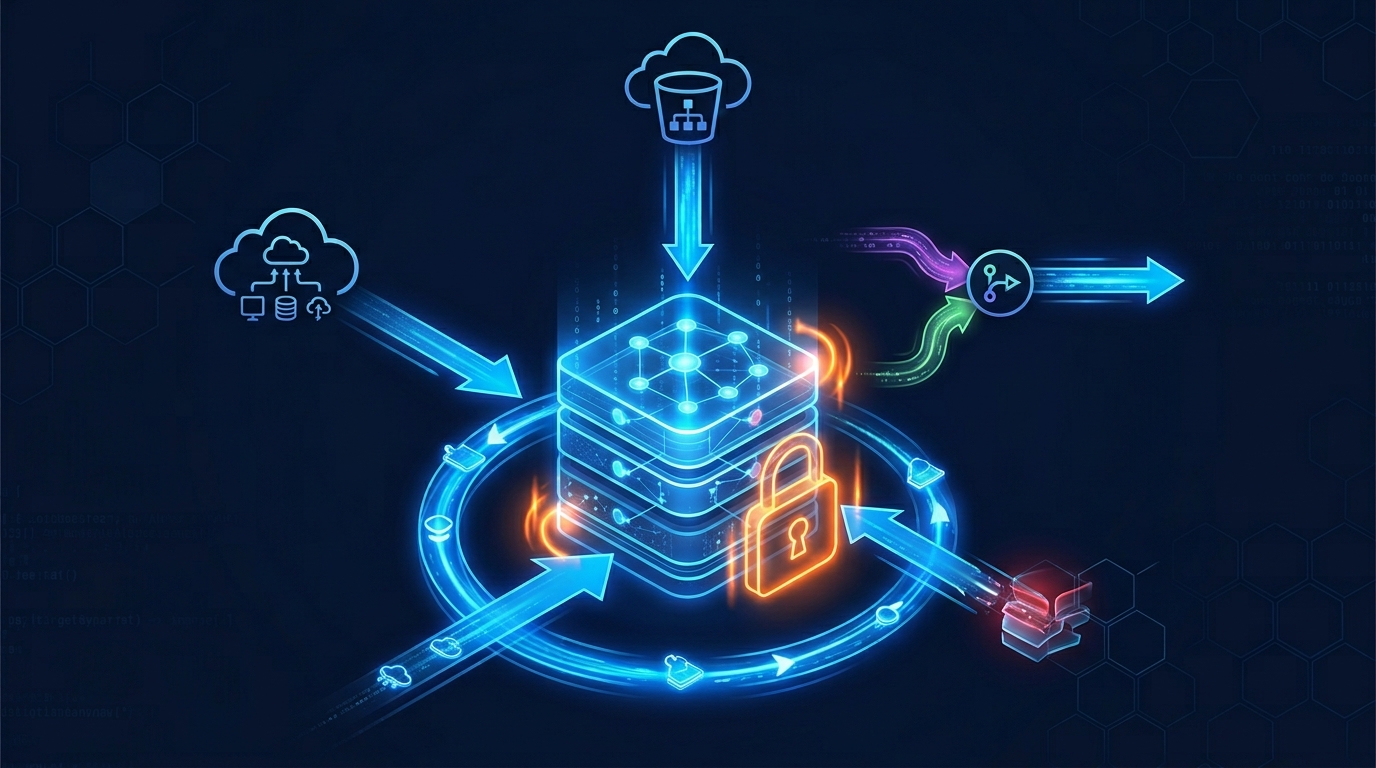
Terraform on AWS: import, state mv/rm, stuck locks. July 2026 — S3 use_lockfile (TF 1.10+); DynamoDB locking is legacy.

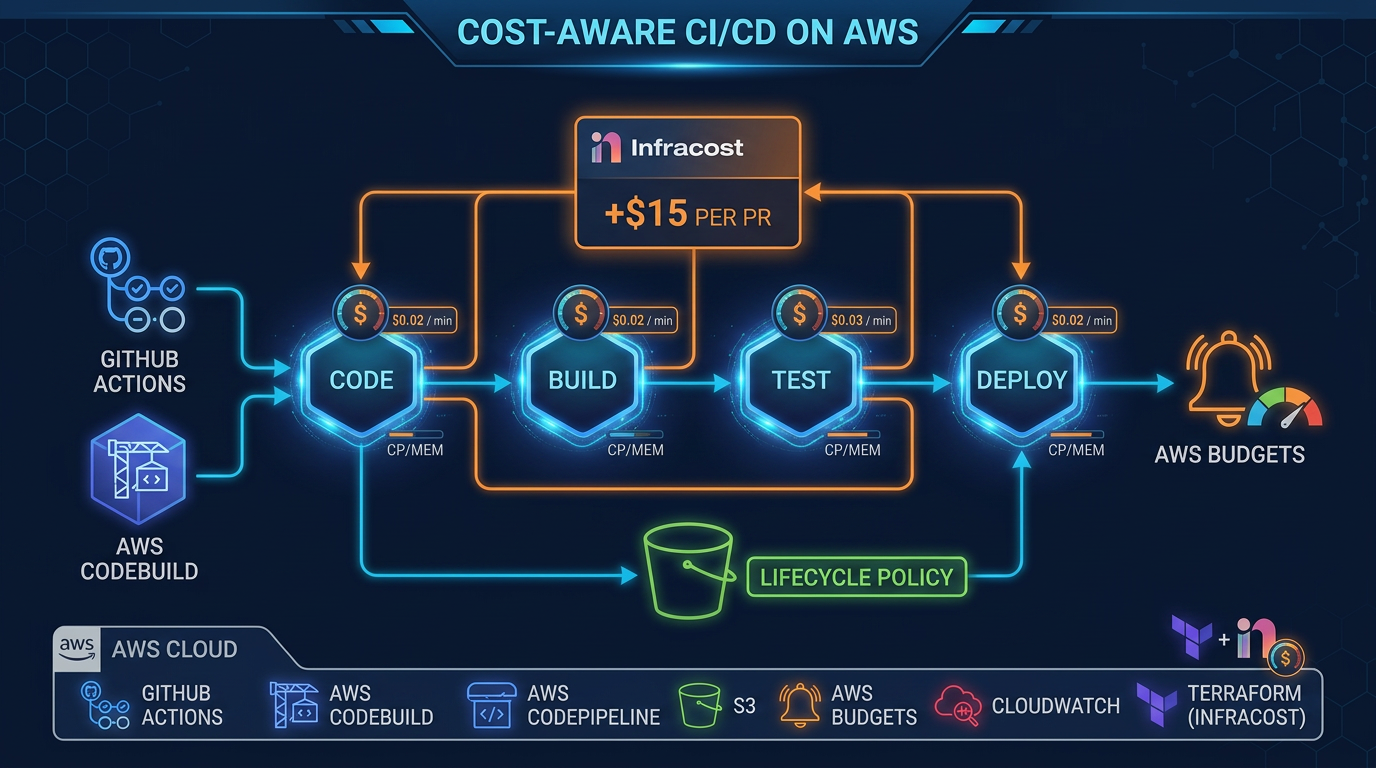
CI/CD infrastructure is invisible until your DevOps bill hits $15,000/month. Build minutes, artifact storage, and ephemeral environments accumulate costs that few teams track. Here is how to measure and control them.

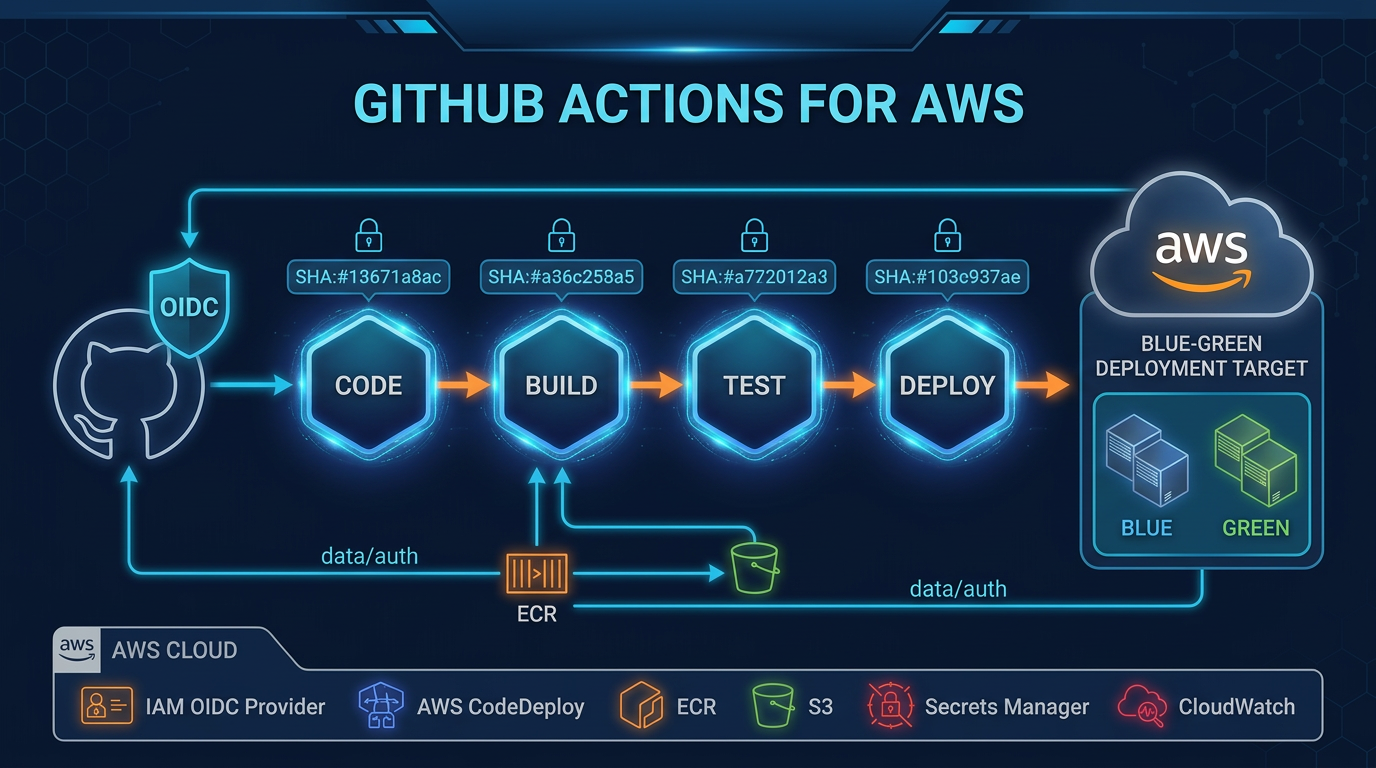
Production-grade GitHub Actions patterns for AWS workloads — OIDC authentication, pinned actions, blue-green deployments, build caching, and the security mistakes that leave your pipeline open to supply chain attacks.

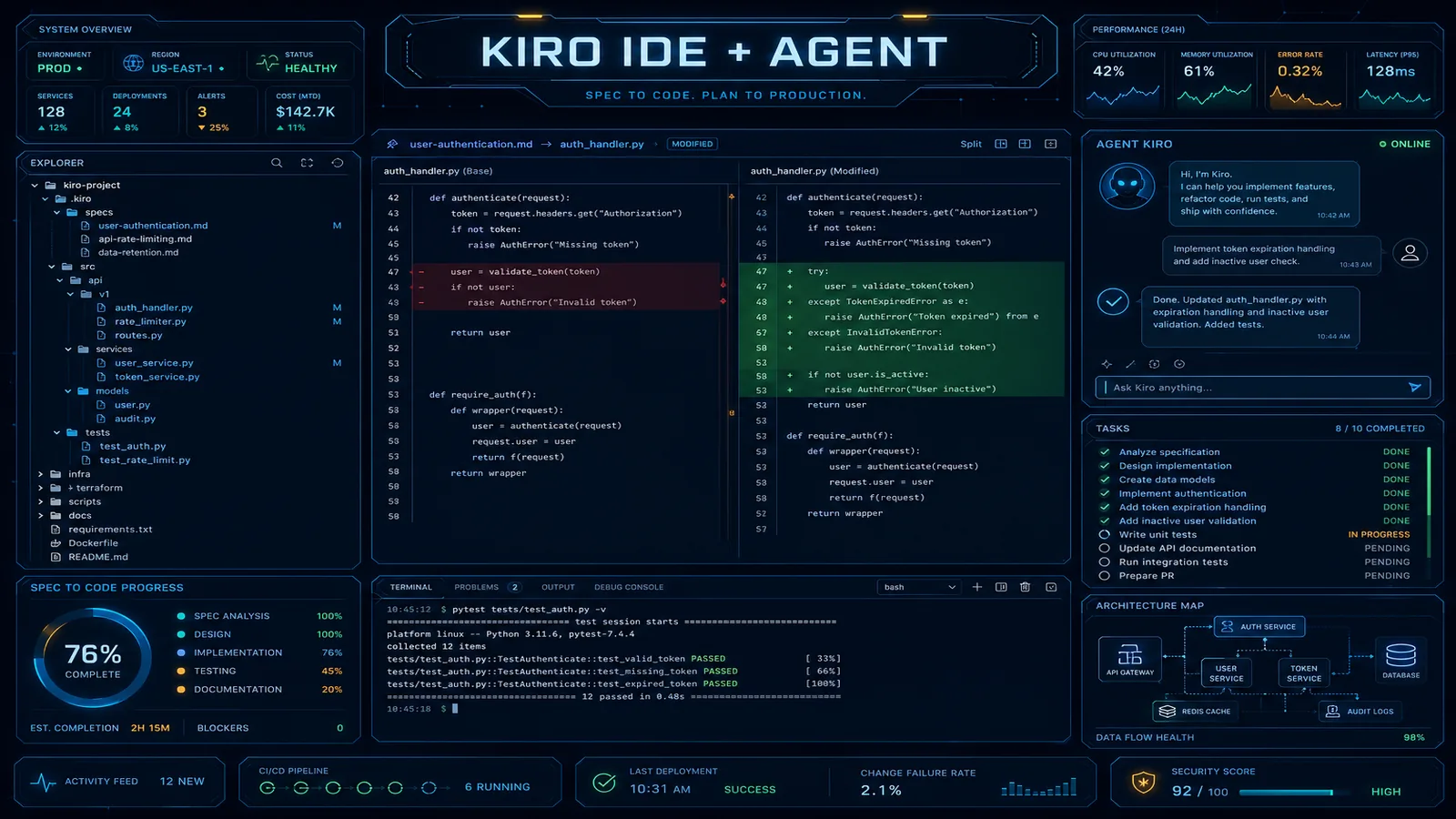
Kiro is not Amazon Q with a new name. It's a spec-driven agentic IDE built for autonomous multi-file code generation. Enterprise guide to adoption and governance.

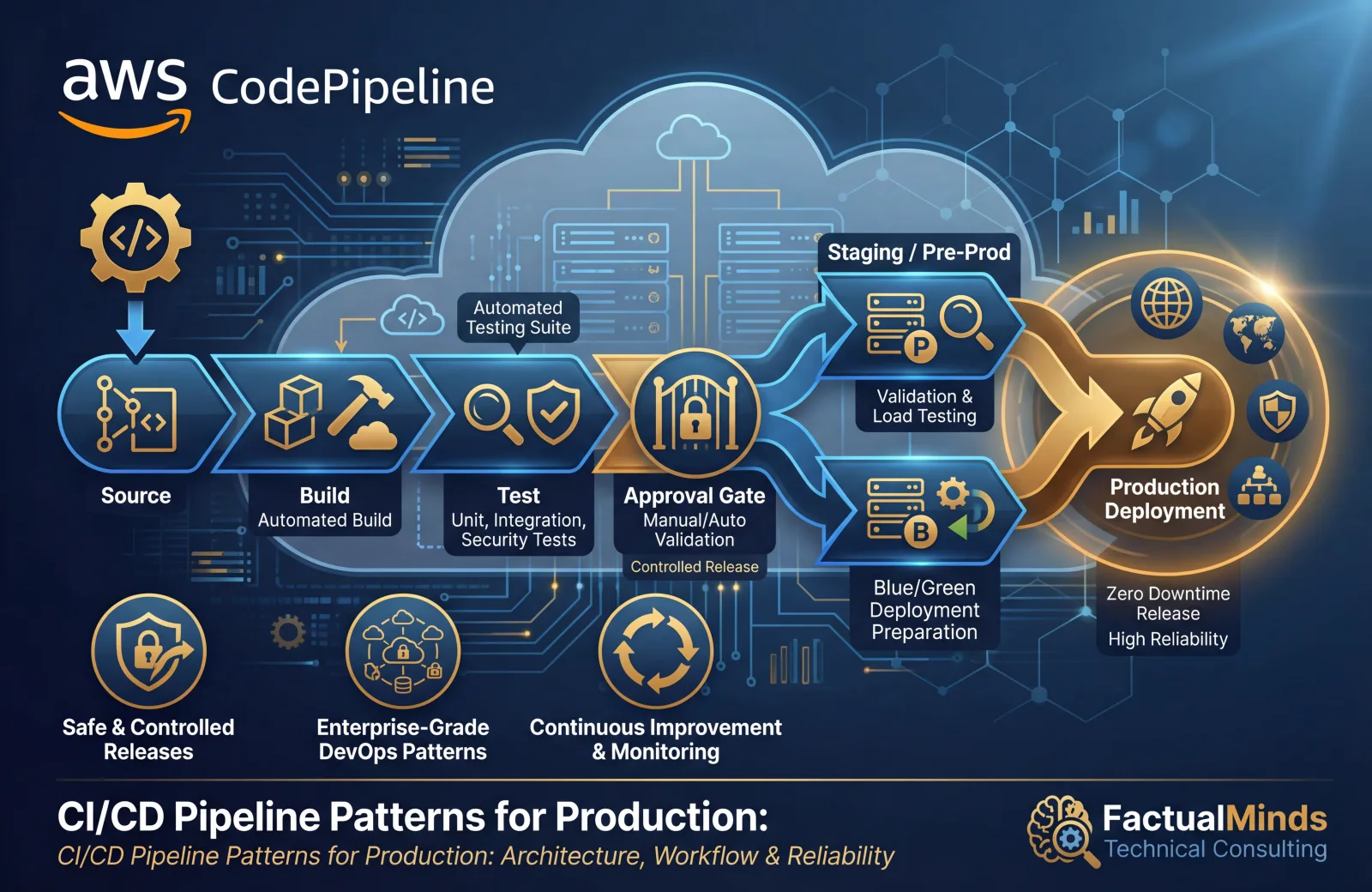
CodePipeline isn't the most loved CI/CD tool — but it's the one that talks to every other AWS service natively. Pipeline architecture, CodeBuild configuration, cross-account deploys, and the patterns that ship code safely without bolting on a third-party runner.

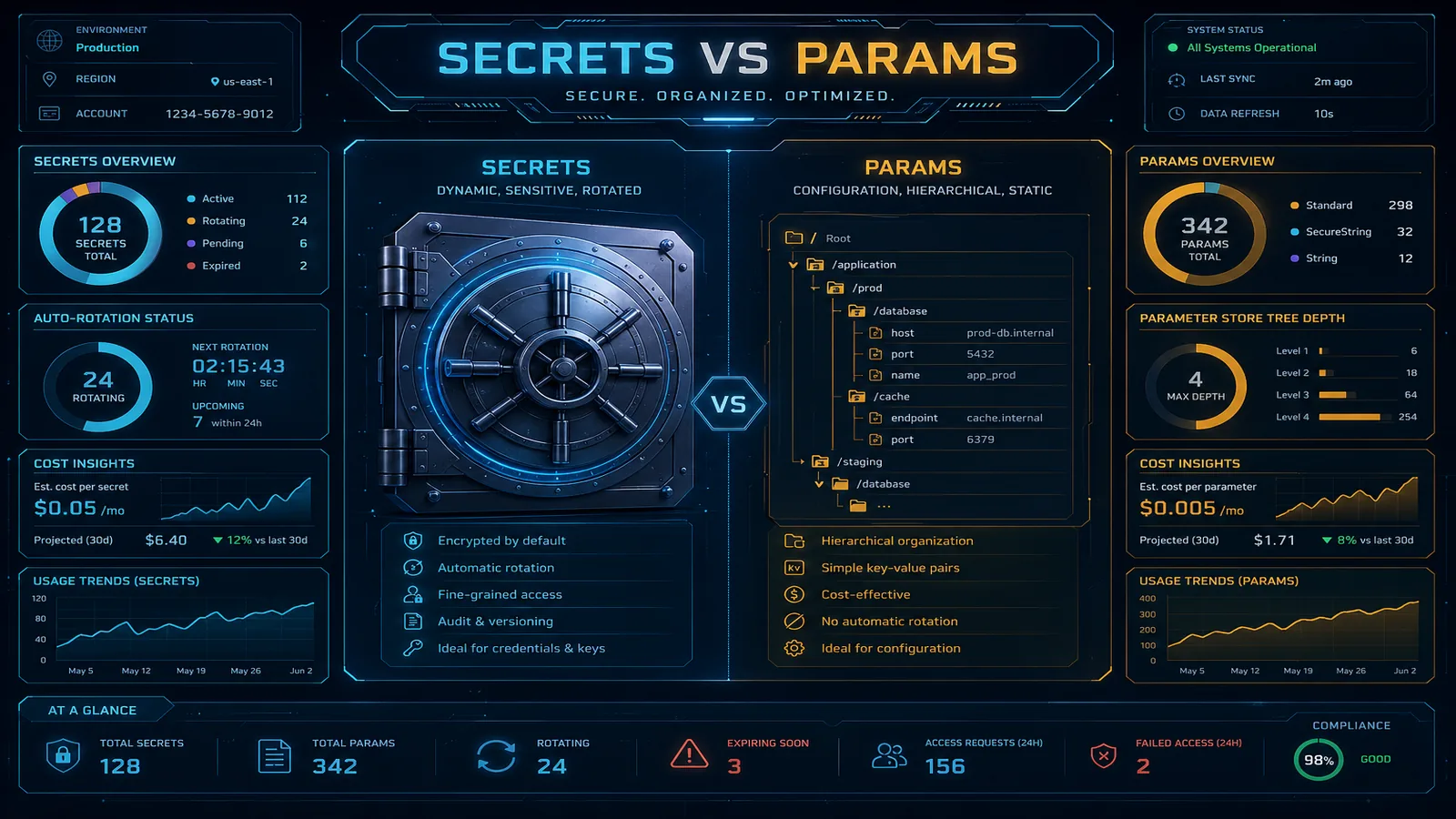
Secrets Manager rotates and costs $0.40 per secret per month. Parameter Store doesn't rotate and is mostly free. Pricing, rotation, encryption, cross-account access, and the decision criteria for picking each — including the hybrid pattern most production accounts end up at.

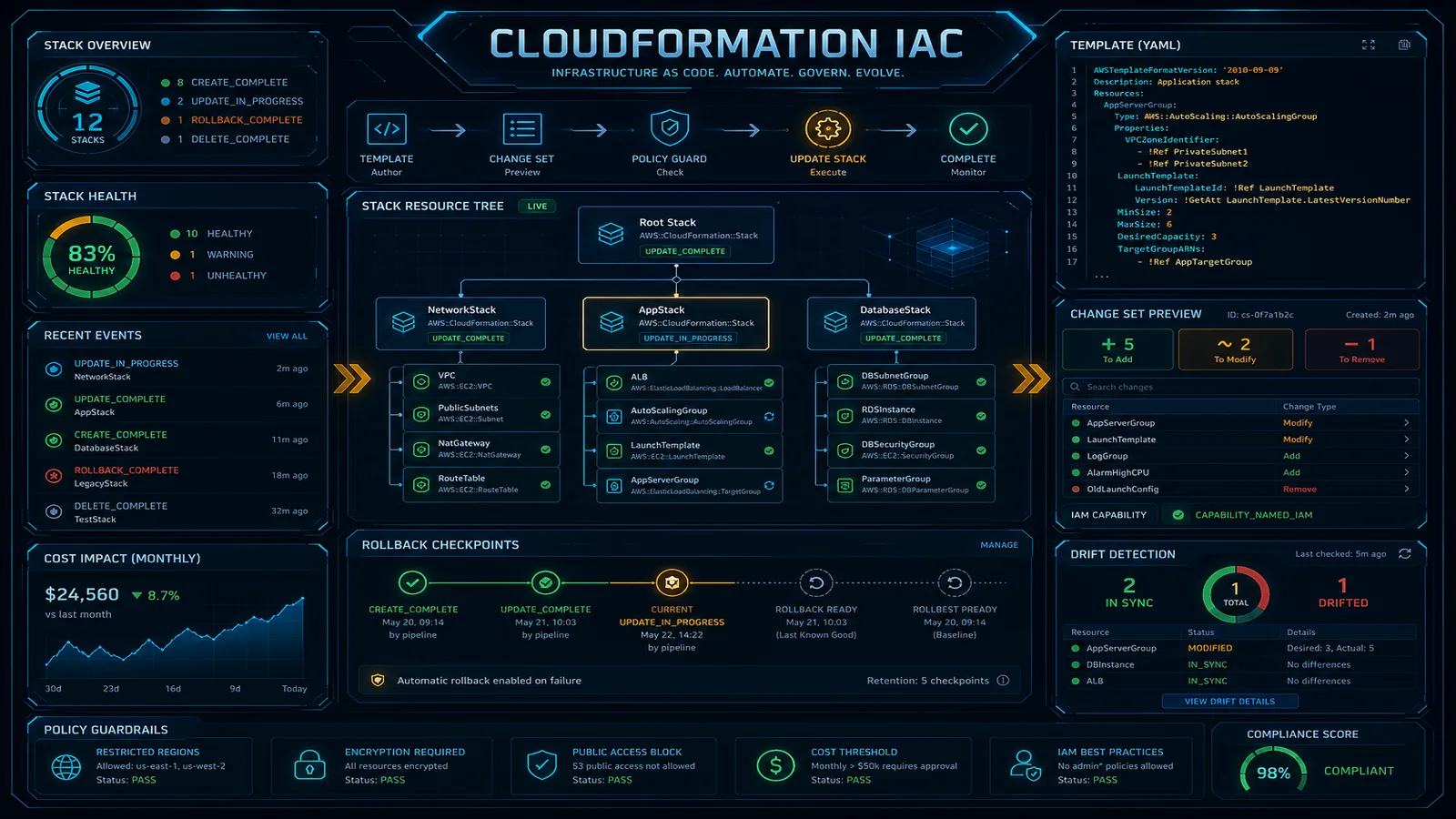
June 30, 2026 added two major CloudFormation/CDK changes: pre-deployment validation on Create/Update and Express mode with up to 4x faster stack operations. This guide shows when to use each safely in production workflows.

July 2026 decision guide: monolith → modular monolith → microservices on AWS — team size, platform tax (VPC Lattice/mesh), and a checklist before you split for the org chart.

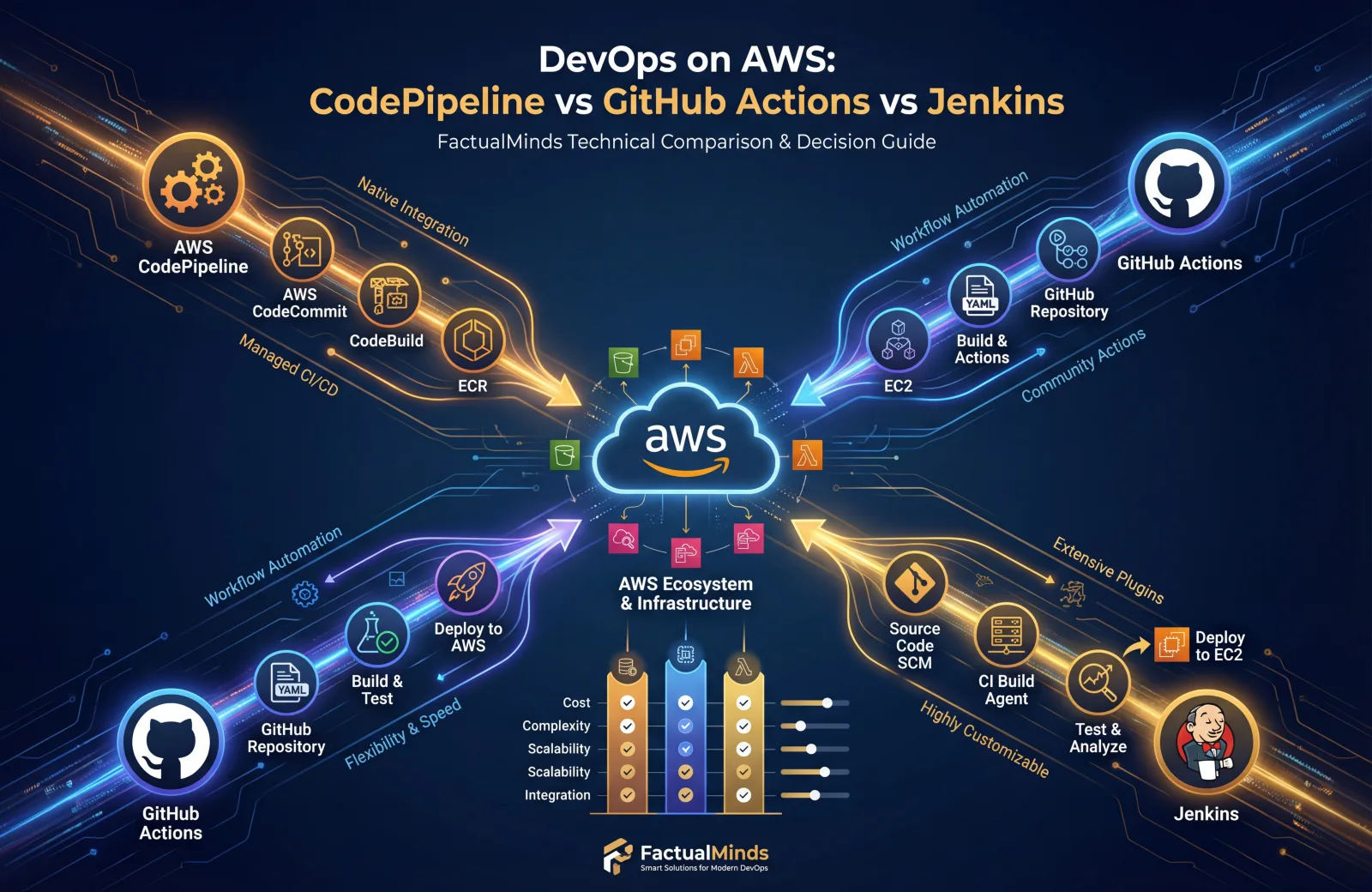
CodePipeline costs a few dollars a month. GitHub Actions costs more at scale than most teams expect. Jenkins is free until you count the team running it. Integration, cost, scalability, and team fit across the three CI/CD options most AWS teams actually choose between.

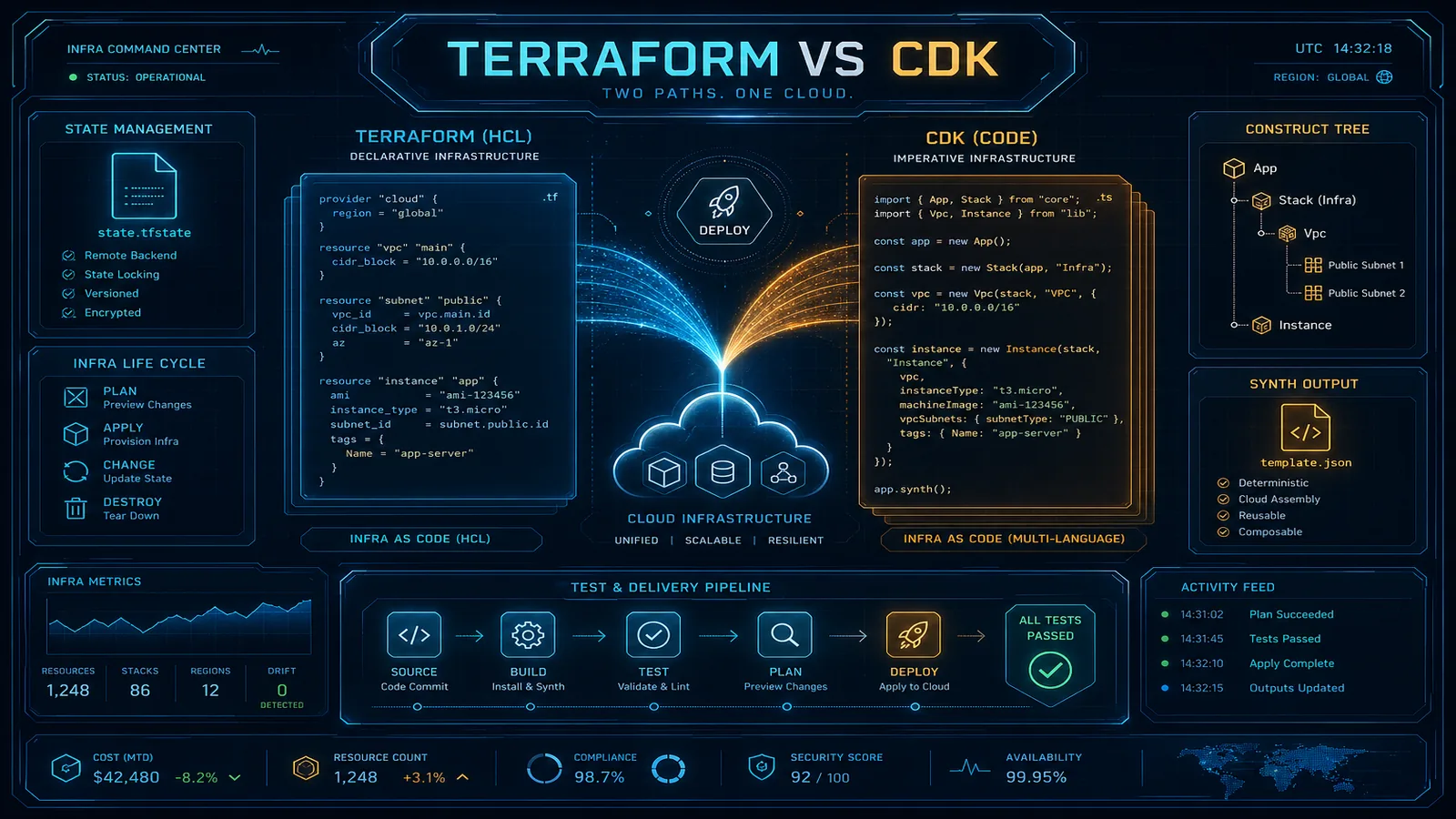
Terraform is the multi-cloud default. CDK ships AWS features the day they GA. Language support, state management, multi-cloud flexibility, and the trade-off that determines which IaC tool fits your team — plus when running both is the right answer.